Supporting Survivors of Child Sexual Abuse: Empowering Voices and Seeking Justice

August 5, 2023

In recent years, survivors of child sexual abuse have increasingly come forward to share their stories, seeking justice and accountability for the harm they endured. The legal landscape surrounding these cases has seen significant developments, with some states enacting reforms to provide survivors with greater opportunities to seek recourse and expose abusers and cover-ups.

However, last month's ruling by the Colorado State Supreme Court dealt a devastating blow to survivors in the state. The nullification of the 2021 civil window, which would have allowed adult survivors to use the civil courts to expose abusers and cover-ups, was based on the court's interpretation that the law violated the state constitution. This decision has raised concerns and created challenges for survivors seeking legal avenues for redress.

Despite this setback, it is essential to emphasize that survivors of child sexual abuse are not alone. Organizations, attorneys, and advocates are dedicated to supporting survivors and empowering their voices. If you are a survivor in Colorado, it is important to remember that you are believed, and there are avenues available to explore your rights and options. Seeking advice from experienced legal professionals who specialize in this area can provide guidance on navigating the legal complexities and understanding the implications of the ruling.

It is worth noting that several other states have recently made significant strides in reforming their civil statute of limitations for adult survivors of child sexual abuse. These reforms aim to remove barriers and provide survivors with a means to pursue justice. States such as Arkansas, Louisiana, Maine, Maryland, and Nevada have introduced various measures, including eliminating or extending statutes of limitations and opening civil windows for survivors.

These changes highlight a growing recognition of the long-lasting impact of child sexual abuse and the need to support survivors in their journey towards healing and justice. Whether through legislative reforms or legal actions, survivors are being given opportunities to seek accountability for their abusers and institutions that may have enabled or covered up the abuse.

To survivors of child sexual abuse, it is crucial to know that there are professionals who will fight for your rights and support you through this challenging process. Legal experts, advocates, and organizations are available to provide guidance, resources, and a confidential space to share your experiences.

It is important to recognize the courage it takes to come forward, as each survivor's journey is unique. If you or someone you know has been a victim of child sexual abuse, consider reaching out to a legal professional who specialize in these cases. Here at Jason J. Joy & Associates we can help you understand your legal rights and options, while supporting you in seeking justice. Together, we can ensure that survivors of child sexual abuse reclaim their voice and advocate for the legal protection they deserve. This includes advocating for access to civil court proceedings that recognize the impact of child sexual abuse on victims’ lives. 

Remember, you have the power to make a difference, not only in your own life but also by empowering other survivors and shedding light on this issue. By sharing your story, you contribute to raising awareness and promoting change within society. Thank you for entrusting us to join your fight. Jason J. Joy & Associates (713) 221-6500.


While this article provides general legal information, it does not constitute legal advice. The best way to get guidance on your specific legal issue is to contact a lawyer.

Contact Us

By submitting this form you agree to receive text messages.
By Jason Joy Law • September 21, 2026
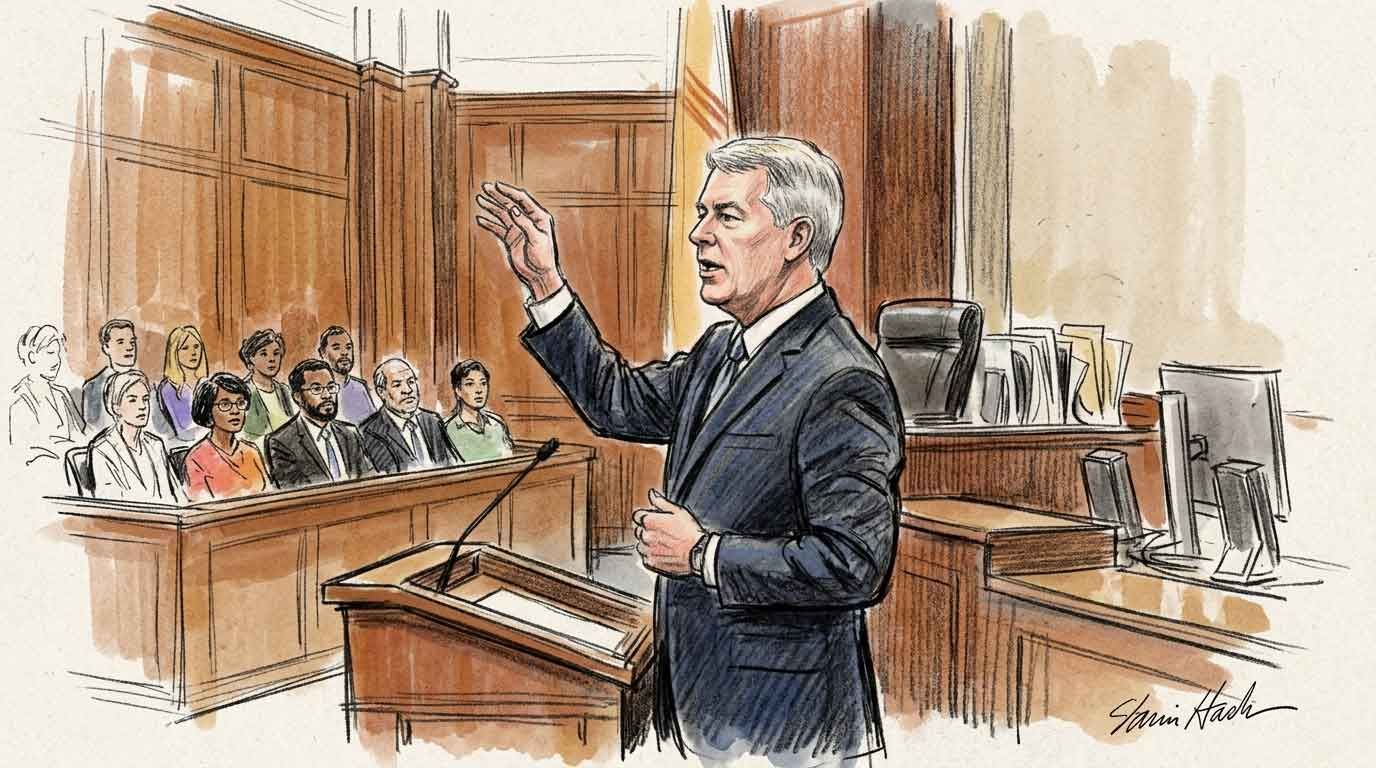
Meta, the company behind Facebook and Instagram, is on trial again in New Mexico. This month a Santa Fe courtroom began hearing State of New Mexico v. Facebook, Inc., a case that goes back to the Cambridge Analytica data scandal of the 2016 election. The trial comes only weeks after a New Mexico court entered a $942 million judgment against Meta in a separate child-safety case. The two cases involve different claims, but both put Meta's conduct, and what it has told the public, under scrutiny. What the Cambridge Analytica Trial Is About New Mexico's Attorney General alleges that Facebook violated the state's Unfair Practices Act. The case centers on a personality quiz app that, according to the state, was used to harvest information from approximately 87 million Facebook profiles. That figure does not mean 87 million people took the quiz. It refers to the Facebook profiles whose information may have been improperly collected and shared, most of which belonged to the friends of people who used the app. New Mexico alleges that Cambridge Analytica, a political consulting firm, used Facebook profile data in connection with targeted political messaging during the 2016 election, and that about 350,000 New Mexicans were affected. Former Attorney General Hector Balderas filed the case in 2021. Current Attorney General Raúl Torrez is now bringing it to trial before Judge Francis Matthew in the First Judicial District Court in Santa Fe. The trial is expected to last about four weeks, and Courtroom View Network is broadcasting it gavel to gavel. Meta rejects the allegations. In court, the company has argued that the lawsuit rests on claims that are "settled or debunked." Meta has also accused the Attorney General's office of trying to limit its First Amendment rights. The trial is ongoing and no verdict has been reached. The claims described above remain allegations that Meta disputes. A Separate Case: New Mexico's Child-Safety Judgment Against Meta The Cambridge Analytica case is separate from litigation involving alleged harms to young social media users. It concerns Facebook's handling of user data and representations about its privacy practices. Earlier this year, however, New Mexico also pursued a separate case against Meta involving allegations about the safety and design of Facebook and Instagram for minors. New Mexico obtained a jury verdict and final judgment against Meta in that separate child-safety case. In March 2026, a jury ordered Meta to pay a $375 million civil penalty. On August 7, 2026, the court entered an additional $567 million judgment tied to the youth mental health crisis, bringing the total to $942 million. In that case, the state alleged that Meta built products it knew would fuel addiction and deepen a youth mental health crisis, then misled parents about the risks. The court also ordered Meta to change how its platforms treat minors for five years. The required changes include: Stronger age verification and more protection for teen accounts No overnight push notifications for users under 18 Hidden "like" counts by default Mandatory time-use limits for minors Clear disclosures about the risks of using the platforms Several of these changes aim at the same design features that keep young users scrolling late into the night. Why This Matters for Your Family It's important to be clear about what the Cambridge Analytica trial is and isn't. It is a privacy, data-use and consumer-protection case. It does not concern, and will not decide, whether social media use caused harms such as depression, eating disorders or self-harm. Those questions are being raised in separate cases, including New Mexico's child-safety case and lawsuits filed by families across the country. Many parents don't learn how much social media has affected their child until the harm is serious. Families have described: Depression and severe anxiety Body dysmorphia Eating disorders, including anorexia and bulimia Suicidal thoughts or self-harm Compulsive use that a child can't control If you or your child used Instagram, Facebook, TikTok, Snapchat or YouTube heavily as a minor and later developed any of these conditions, you may have options. Lawsuits across the country are now testing whether social media companies can be held accountable for designing products that harm young users. How Jason Joy Law Can Help We represent families and young adults harmed by social media platforms. We know that many parents worry about their child's privacy when they reach out, and we treat every conversation with care and discretion. To learn more about who may qualify and what these cases involve, visit our Social Media Harm page , or call (888) 241-7367 for a free, confidential case evaluation. Meeting these criteria does not guarantee representation or compensation. Each case is evaluated on its individual merits. Sources David Siegel, " Facebook Faces Cambridge Analytica Scandal Trial in New Mexico — Watch Gavel-to-Gavel via CVN ," Courtroom View Network, September 9, 2026. New Mexico Department of Justice, " Court Orders Meta to Pay $942 Million and Overhaul Protections for Children on Facebook and Instagram in Landmark New Mexico Ruling ," August 7, 2026.
By Rebecca Rivera • December 9, 2025
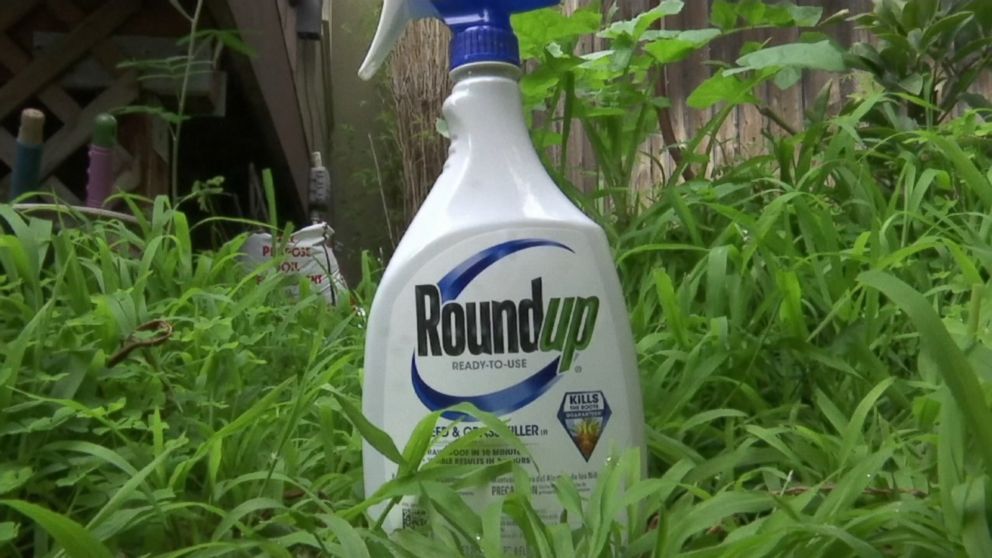
As reported in the Washington Post December 5th, 2025 by Amudalat Ajasa A prominent scientific journal, Regulatory Toxicology and Pharmacology, has retracted a widely cited 2000 study that previously concluded the active ingredient in Roundup, glyphosate, posed no cancer risk to humans. The retraction was initiated after evidence emerged suggesting the study was heavily influenced by the herbicide's seller, Monsanto (now owned by Bayer), in an apparent effort to disguise potential health risks. Specific concerns cited by the journal include the strong possibility that Monsanto employees contributed to the writing without proper acknowledgment, that the authors may have received undisclosed payments from the company , and that the findings were based solely on unpublished Monsanto studies. This misconduct, discovered through internal company emails during federal litigation, is significant because the faulty research served as a bedrock for regulatory decisions regarding glyphosate for decades. Summary of Alleged Faulty Study and Monsanto's Influence The Study and Its Conclusion: The retracted paper, published in 2000, was a "bedrock study" that concluded: "under present and expected conditions of new use, there is no potential for Roundup herbicide to pose a health risk to humans." The Retraction: The scientific journal retracted the study due to a loss of confidence in its results and conclusions, citing the need to "maintain the integrity of the journal." Evidence of Undisclosed Influence: The co-editor in chief cited evidence suggesting that Monsanto employees "may have contributed to the writing of the article without proper acknowledgment as co authors." Undisclosed Payments: The retraction also noted that the study's authors may have been paid by Monsanto without disclosing it . Basis of Findings: The journal stated that the study's findings about cancer risk were "solely based on unpublished studies from Monsanto." Discovery of Influence: Monsanto's influence over the study was reportedly discovered through internal emails released during federal litigation against the company in 2017. Impact: The study "had a significant impact on regulatory decision-making regarding glyphosate and Roundup for decades," and was one of the most-cited papers on glyphosate safety, underpinning federal regulations for the pesticide. The Environmental Protection Agency (EPA) even cited it in its 2016 review of glyphosate. Context and Aftermath Bayer's Defense: Bayer (which acquired Monsanto in 2018) defended the chemical's safety and argued that Monsanto's involvement was appropriately cited in the acknowledgments, stating that glyphosate is the most extensively studied herbicide and that the "vast majority of published studies on glyphosate had no Monsanto involvement." Regulatory Stance: The EPA stated the retraction would not affect its current stance —which is that glyphosate is "not likely to be carcinogenic to humans"—because the agency does not directly rely on review articles like this one, but uses them to find other relevant individual studies. Litigation: Bayer has spent approximately $10 billion to settle lawsuits arguing the company did not warn customers about the negative health impacts of using Roundup. Read the full article in the Washington Post
By Rebecca Rivera • November 14, 2025
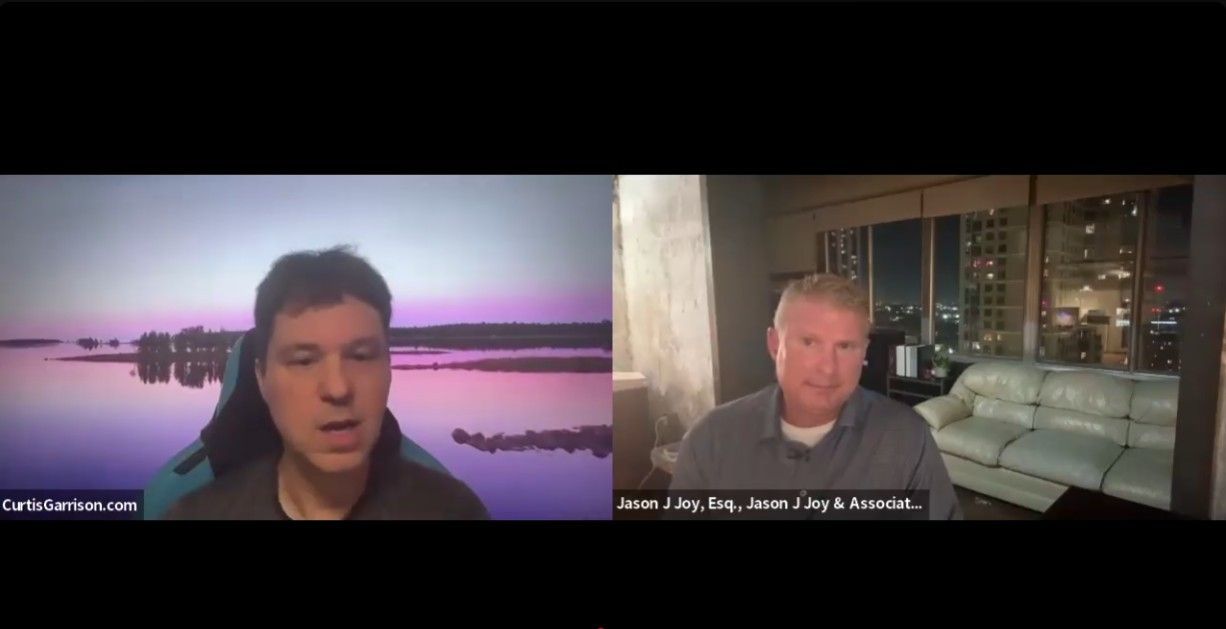
In this series premiere episode, Founder & President of SOSCSA, Child Sexual Abuse Survivor & BSA Bankruptcy Claimant, Curtis Garrison interviews attorney Jason J Joy for an update on the BSA bankruptcy and discussing childhood abuse litigation for which Jason is an outspoken and experienced advocate. Jason's firm is actively litigating cases for many clients his law firm represents. This podcast is recommended for clients already represented, and for those who are still contemplating coming forward to establish a claim. Topics covered in this episode: Recent BSA Bankruptcy Trust report Lajun Claimants (Guam) v. Boy Scouts of America and their recent Petition For A Writ Of Certiorari to the U.S. Supreme Court The 1.5% initial payment, possible second payment time / total percentage Future Claims, BSA Councils, BSA Charters (churches, schools, etc) which there are over 100,000 entities possibly getting free of liability Mixed Claims explained We did not vote for this plan, they promised we would be paid in “Paid in Full” Plans to file an Amicus Brief Statute of Limitations