

2023's Most Dangerous Consumer Products: A Deep Dive into Current Litigation

January 23, 2024

2023's Most Dangerous Consumer Products: A Deep Dive into Current Litigations

As consumers, we put our trust in manufacturers to produce safe and reliable products. Unfortunately, sometimes our trust is misplaced, and we end up with dangerous or defective products that can cause serious harm. In this deep dive into current litigation, we'll explore some of the most dangerous consumer products of 2023 and what you can do to protect yourself.


1. E-cigarettes and vaping products: In recent years, e-cigarettes and vaping products have become increasingly popular, especially among teens and young adults. However, these products have also been linked to serious lung injuries, including lung failure and even death. As a result, many lawsuits have been filed against manufacturers of e-cigarettes and vaping products, alleging that they knew about the risks but failed to warn consumers.


2. Baby sleepers: While baby sleepers have been a popular choice for parents for many years, they have recently come under fire due to safety concerns. In 2023, several lawsuits were filed against manufacturers of baby sleepers alleging that they pose a suffocation risk to infants. Some of these lawsuits claim that manufacturers knew about the danger but failed to adequately warn parents and caregivers.


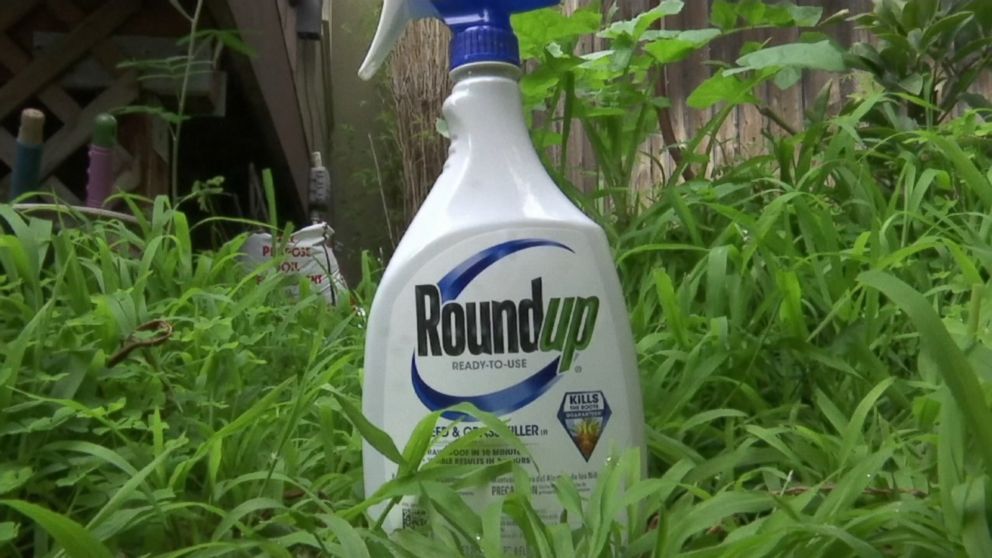
3. Roundup weed killer: Roundup, a popular brand of weed killer, has been the subject of controversy for many years due to its potential to cause cancer. The first lawsuit in regards to the danger of Roundup happened in 1996. In 2023, several more lawsuits were filed against the manufacturer of Roundup, alleging that the product caused the plaintiffs to develop non-Hodgkin's lymphoma. While Roundup is still on the market, these lawsuits have prompted some retailers to remove it from their shelves.


4. Talcum powder: Talcum powder has long been a popular choice for users looking to stay dry and fresh, but it has also been linked to an increased risk of ovarian cancer. Talcum powder first saw itself in the claws of the law in 2009 after Deane Berg developed ovarian cancer and sued Johnson and Johnson. In 2023, more lawsuits were filed against manufacturers of talcum powder, alleging that they knew of the risks but failed to warn consumers. Some of these lawsuits have resulted in significant settlements for the plaintiffs.


5. Peloton treadmills: Peloton, a popular fitness brand, has recently faced scrutiny over its treadmills. In 2023, the company issued a recall on its treadmills due to safety concerns after several incidents of injuries and even a child's death were reported. While the recall may help prevent future harm, it is unlikely to offer much consolation to those who have already been injured.


As consumers, it's important to stay informed about the products we use and their potential risks. While the above cases represent just a few of the most dangerous products of 2023, they serve as a reminder that even seemingly harmless products can be hazardous if not used properly or if they are manufactured with dangerous defects. If you have been injured by a product, it's important to consult with an experienced personal injury attorney who can help you understand your legal options and fight for the compensation you deserve. Our attorneys are ready to help, contact us today. 


Disclaimer: Please be advised that as of the date of this article's publication, the mentioned entities were subject to pending claims. However, it is important to note that the status of these claims may have evolved or been resolved subsequent to the publication of this article.


Contact Us

By submitting this form you agree to receive text messages.
By Rebecca Rivera December 9, 2025
As reported in the Washington Post December 5th, 2025 by Amudalat Ajasa A prominent scientific journal, Regulatory Toxicology and Pharmacology, has retracted a widely cited 2000 study that previously concluded the active ingredient in Roundup, glyphosate, posed no cancer risk to humans. The retraction was initiated after evidence emerged suggesting the study was heavily influenced by the herbicide's seller, Monsanto (now owned by Bayer), in an apparent effort to disguise potential health risks. Specific concerns cited by the journal include the strong possibility that Monsanto employees contributed to the writing without proper acknowledgment, that the authors may have received undisclosed payments from the company , and that the findings were based solely on unpublished Monsanto studies. This misconduct, discovered through internal company emails during federal litigation, is significant because the faulty research served as a bedrock for regulatory decisions regarding glyphosate for decades. Summary of Alleged Faulty Study and Monsanto's Influence The Study and Its Conclusion: The retracted paper, published in 2000, was a "bedrock study" that concluded: "under present and expected conditions of new use, there is no potential for Roundup herbicide to pose a health risk to humans." The Retraction: The scientific journal retracted the study due to a loss of confidence in its results and conclusions, citing the need to "maintain the integrity of the journal." Evidence of Undisclosed Influence: The co-editor in chief cited evidence suggesting that Monsanto employees "may have contributed to the writing of the article without proper acknowledgment as co authors." Undisclosed Payments: The retraction also noted that the study's authors may have been paid by Monsanto without disclosing it . Basis of Findings: The journal stated that the study's findings about cancer risk were "solely based on unpublished studies from Monsanto." Discovery of Influence: Monsanto's influence over the study was reportedly discovered through internal emails released during federal litigation against the company in 2017. Impact: The study "had a significant impact on regulatory decision-making regarding glyphosate and Roundup for decades," and was one of the most-cited papers on glyphosate safety, underpinning federal regulations for the pesticide. The Environmental Protection Agency (EPA) even cited it in its 2016 review of glyphosate. Context and Aftermath Bayer's Defense: Bayer (which acquired Monsanto in 2018) defended the chemical's safety and argued that Monsanto's involvement was appropriately cited in the acknowledgments, stating that glyphosate is the most extensively studied herbicide and that the "vast majority of published studies on glyphosate had no Monsanto involvement." Regulatory Stance: The EPA stated the retraction would not affect its current stance —which is that glyphosate is "not likely to be carcinogenic to humans"—because the agency does not directly rely on review articles like this one, but uses them to find other relevant individual studies. Litigation: Bayer has spent approximately $10 billion to settle lawsuits arguing the company did not warn customers about the negative health impacts of using Roundup. Read the full article in the Washington Post
By Rebecca Rivera November 14, 2025
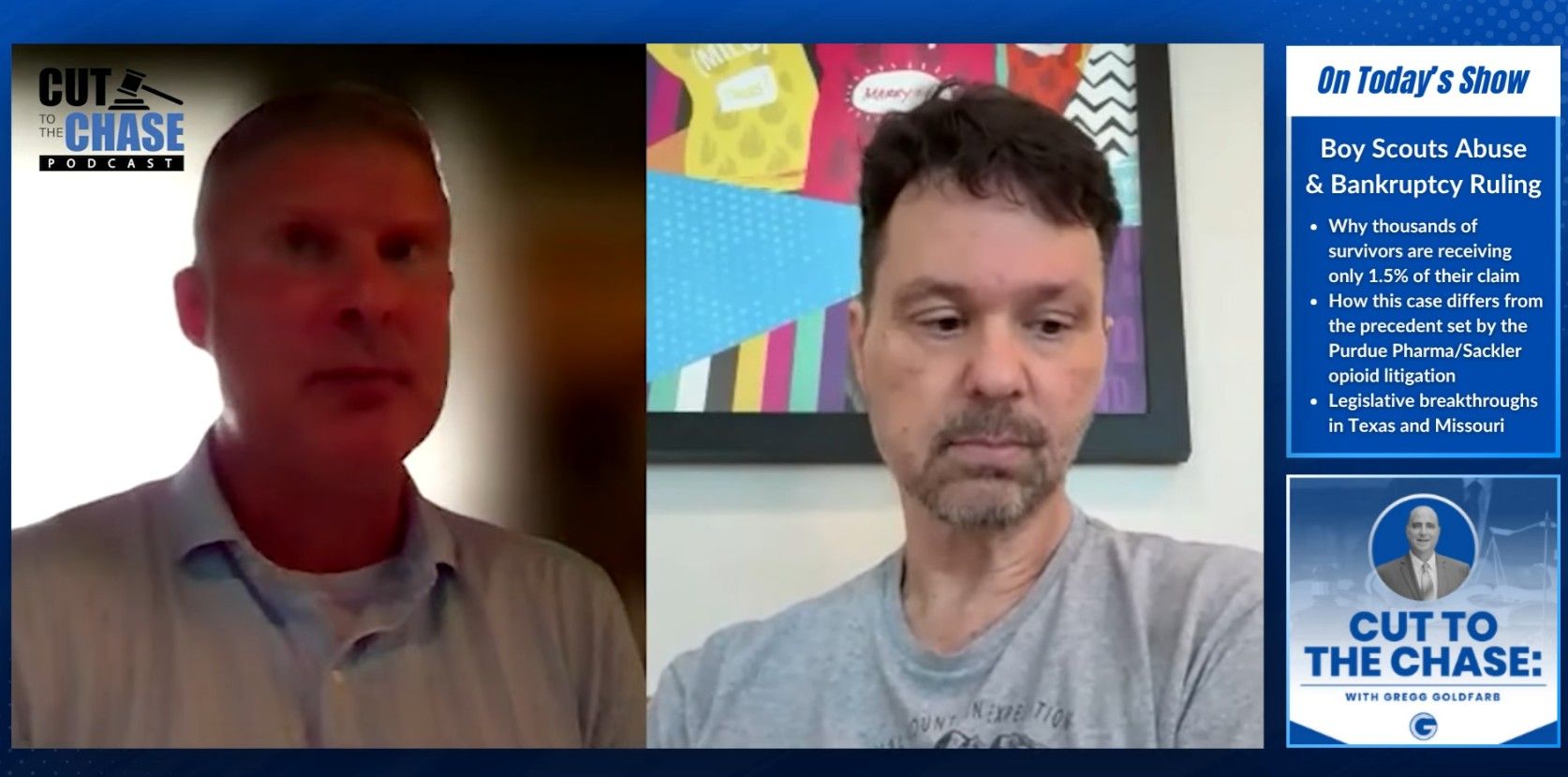
In this series premiere episode, Founder & President of SOSCSA, Child Sexual Abuse Survivor & BSA Bankruptcy Claimant, Curtis Garrison interviews attorney Jason J Joy for an update on the BSA bankruptcy and discussing childhood abuse litigation for which Jason is an outspoken and experienced advocate. Jason's firm is actively litigating cases for many clients his law firm represents. This podcast is recommended for clients already represented, and for those who are still contemplating coming forward to establish a claim. Topics covered in this episode: Recent BSA Bankruptcy Trust report Lajun Claimants (Guam) v. Boy Scouts of America and their recent Petition For A Writ Of Certiorari to the U.S. Supreme Court The 1.5% initial payment, possible second payment time / total percentage Future Claims, BSA Councils, BSA Charters (churches, schools, etc) which there are over 100,000 entities possibly getting free of liability Mixed Claims explained We did not vote for this plan, they promised we would be paid in “Paid in Full” Plans to file an Amicus Brief Statute of Limitations 
By Rebecca Rivera November 6, 2025
The Boy Scouts of America bankruptcy case, involving tens of thousands of survivors of childhood sexual abuse, is among the largest and most contentious mass tort proceedings in U.S. history. In this podcast, Attorney Jason Joy breaks down the latest ruling from the Third Circuit Court, which leaves many survivors of childhood sexual abuse with drastically underfunded compensation.