

Unraveling the Fear: Why Some Injured Individuals Hesitate to Hire an Attorney

December 28, 2023

In the aftermath of an accident, it is not uncommon for injured individuals to hesitate to hire an attorney, even when they need one.

This could be for a variety of reasons, and as professionals in the legal industry, it is important to understand and recognize the fears and reservations that some might have. We will be delving deeper into those reasons and resolving the fears that might cause someone to hesitate to hire legal representation.


1. Fear of the Cost

One of the most common reasons an individual might hesitate to hire an attorney is due to fears related to cost. In the aftermath of an accident, medical expenses and other bills will start to pile up, and individuals may feel that they cannot afford to pay a lawyer. However, the reality is that many personal injury lawyers work on a contingency basis, meaning they do not get paid unless their client wins the case. This means an injured individual has nothing to lose by hiring an experienced legal representative, and everything to gain.


2. Fear of the Legal Process

Another common fear that many individuals face when it comes to hiring a personal injury attorney is the legal process itself. Not everyone understands the ins and outs of the legal world, and this can be daunting. However, an experienced attorney can guide you through the process, answering any questions you might have and helping you with legal decisions. They will take the lead and deal with all legal proceedings, allowing injured individuals to focus on healing and moving forward.


3. Fear of Being Coerced

Sometimes, people are afraid to hire an attorney because they feel that they may be coerced during the process. They may feel that an attorney will take over and not listen to their complaints or concerns. However, this is not the case with most personal injury attorneys. They will work with you and listen to your thoughts and opinions throughout the entire process. Communication is key, and any experienced attorney knows that it is important to maintain a professional relationship with clients while always keeping their best interests in mind.


4. Fear of the Unknown

Finally, some people are simply afraid of the unknown. They may have heard horror stories about lawyers who take advantage of their clients, or feel that the legal process will be too overwhelming. However, this fear can be put to rest by doing research on reputable law firms. Be sure to seek out a lawyer who has experience in the specific type of case you are dealing with.


Do not let the unknown hold you back from seeking legal representation after an accident. There are many ways to overcome these fears; be it by doing research on reputable law firms, seeking out personal recommendations, or simply researching the legal process itself. Speak with an experienced attorney today to put your mind at ease and find out what your options are moving forward. A lawyer's guidance and support are essential in helping injured individuals get back on their feet and obtain the compensation they deserve. Our experienced attorneys are here to help you navigate the complexities of such a lawsuit. If you need counsel, reach out to one of our lawyers today.

Contact Us

By submitting this form you agree to receive text messages.
By Rebecca Rivera December 9, 2025
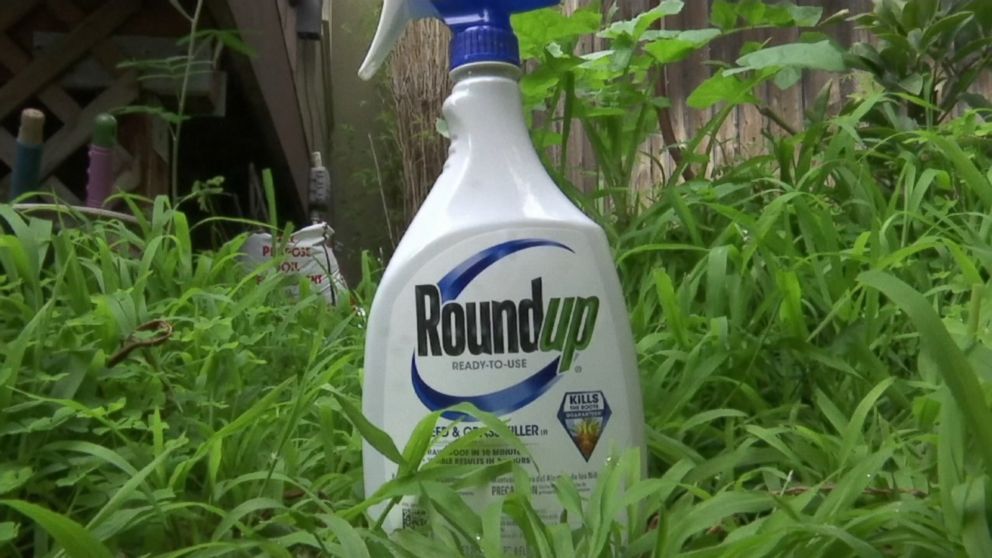
As reported in the Washington Post December 5th, 2025 by Amudalat Ajasa A prominent scientific journal, Regulatory Toxicology and Pharmacology, has retracted a widely cited 2000 study that previously concluded the active ingredient in Roundup, glyphosate, posed no cancer risk to humans. The retraction was initiated after evidence emerged suggesting the study was heavily influenced by the herbicide's seller, Monsanto (now owned by Bayer), in an apparent effort to disguise potential health risks. Specific concerns cited by the journal include the strong possibility that Monsanto employees contributed to the writing without proper acknowledgment, that the authors may have received undisclosed payments from the company , and that the findings were based solely on unpublished Monsanto studies. This misconduct, discovered through internal company emails during federal litigation, is significant because the faulty research served as a bedrock for regulatory decisions regarding glyphosate for decades. Summary of Alleged Faulty Study and Monsanto's Influence The Study and Its Conclusion: The retracted paper, published in 2000, was a "bedrock study" that concluded: "under present and expected conditions of new use, there is no potential for Roundup herbicide to pose a health risk to humans." The Retraction: The scientific journal retracted the study due to a loss of confidence in its results and conclusions, citing the need to "maintain the integrity of the journal." Evidence of Undisclosed Influence: The co-editor in chief cited evidence suggesting that Monsanto employees "may have contributed to the writing of the article without proper acknowledgment as co authors." Undisclosed Payments: The retraction also noted that the study's authors may have been paid by Monsanto without disclosing it . Basis of Findings: The journal stated that the study's findings about cancer risk were "solely based on unpublished studies from Monsanto." Discovery of Influence: Monsanto's influence over the study was reportedly discovered through internal emails released during federal litigation against the company in 2017. Impact: The study "had a significant impact on regulatory decision-making regarding glyphosate and Roundup for decades," and was one of the most-cited papers on glyphosate safety, underpinning federal regulations for the pesticide. The Environmental Protection Agency (EPA) even cited it in its 2016 review of glyphosate. Context and Aftermath Bayer's Defense: Bayer (which acquired Monsanto in 2018) defended the chemical's safety and argued that Monsanto's involvement was appropriately cited in the acknowledgments, stating that glyphosate is the most extensively studied herbicide and that the "vast majority of published studies on glyphosate had no Monsanto involvement." Regulatory Stance: The EPA stated the retraction would not affect its current stance —which is that glyphosate is "not likely to be carcinogenic to humans"—because the agency does not directly rely on review articles like this one, but uses them to find other relevant individual studies. Litigation: Bayer has spent approximately $10 billion to settle lawsuits arguing the company did not warn customers about the negative health impacts of using Roundup. Read the full article in the Washington Post
By Rebecca Rivera November 14, 2025
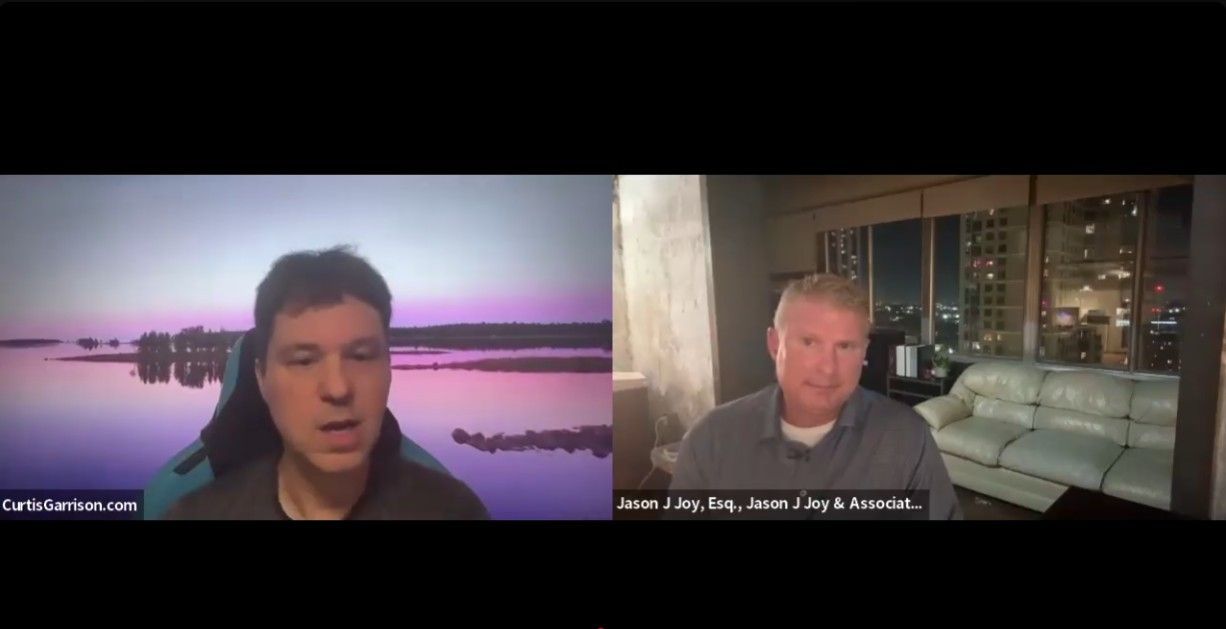
In this series premiere episode, Founder & President of SOSCSA, Child Sexual Abuse Survivor & BSA Bankruptcy Claimant, Curtis Garrison interviews attorney Jason J Joy for an update on the BSA bankruptcy and discussing childhood abuse litigation for which Jason is an outspoken and experienced advocate. Jason's firm is actively litigating cases for many clients his law firm represents. This podcast is recommended for clients already represented, and for those who are still contemplating coming forward to establish a claim. Topics covered in this episode: Recent BSA Bankruptcy Trust report Lajun Claimants (Guam) v. Boy Scouts of America and their recent Petition For A Writ Of Certiorari to the U.S. Supreme Court The 1.5% initial payment, possible second payment time / total percentage Future Claims, BSA Councils, BSA Charters (churches, schools, etc) which there are over 100,000 entities possibly getting free of liability Mixed Claims explained We did not vote for this plan, they promised we would be paid in “Paid in Full” Plans to file an Amicus Brief Statute of Limitations 
By Rebecca Rivera November 6, 2025
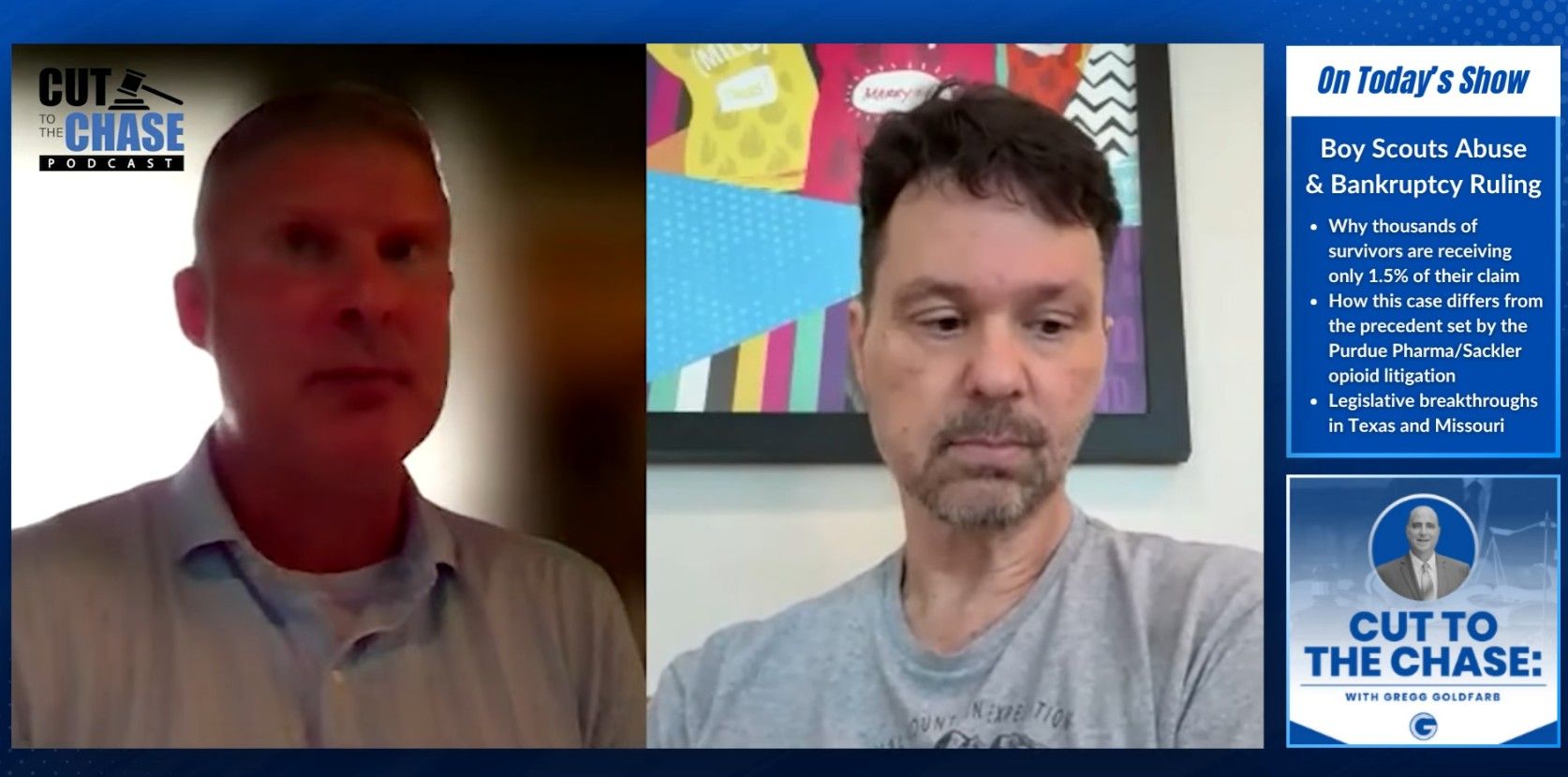
The Boy Scouts of America bankruptcy case, involving tens of thousands of survivors of childhood sexual abuse, is among the largest and most contentious mass tort proceedings in U.S. history. In this podcast, Attorney Jason Joy breaks down the latest ruling from the Third Circuit Court, which leaves many survivors of childhood sexual abuse with drastically underfunded compensation.