



Bloomberg: Buried Complaints Left a Damaging Cancer Device on the Market
For a patient, especially one navigating the difficult journey of breast cancer treatment, trust is paramount. Trust in their doctors, trust in the treatments recommended, and trust in the medical devices designed to aid their recovery. When that trust is broken, the consequences can be devastating, leaving not just physical scars, but deep emotional and financial wounds. At Jason Joy & Associates, we believe that no one should suffer in silence due to the negligence of others. Our firm is dedicated to fighting for victims of personal injury, ensuring their voices are heard and that they receive the justice and compensation they deserve.
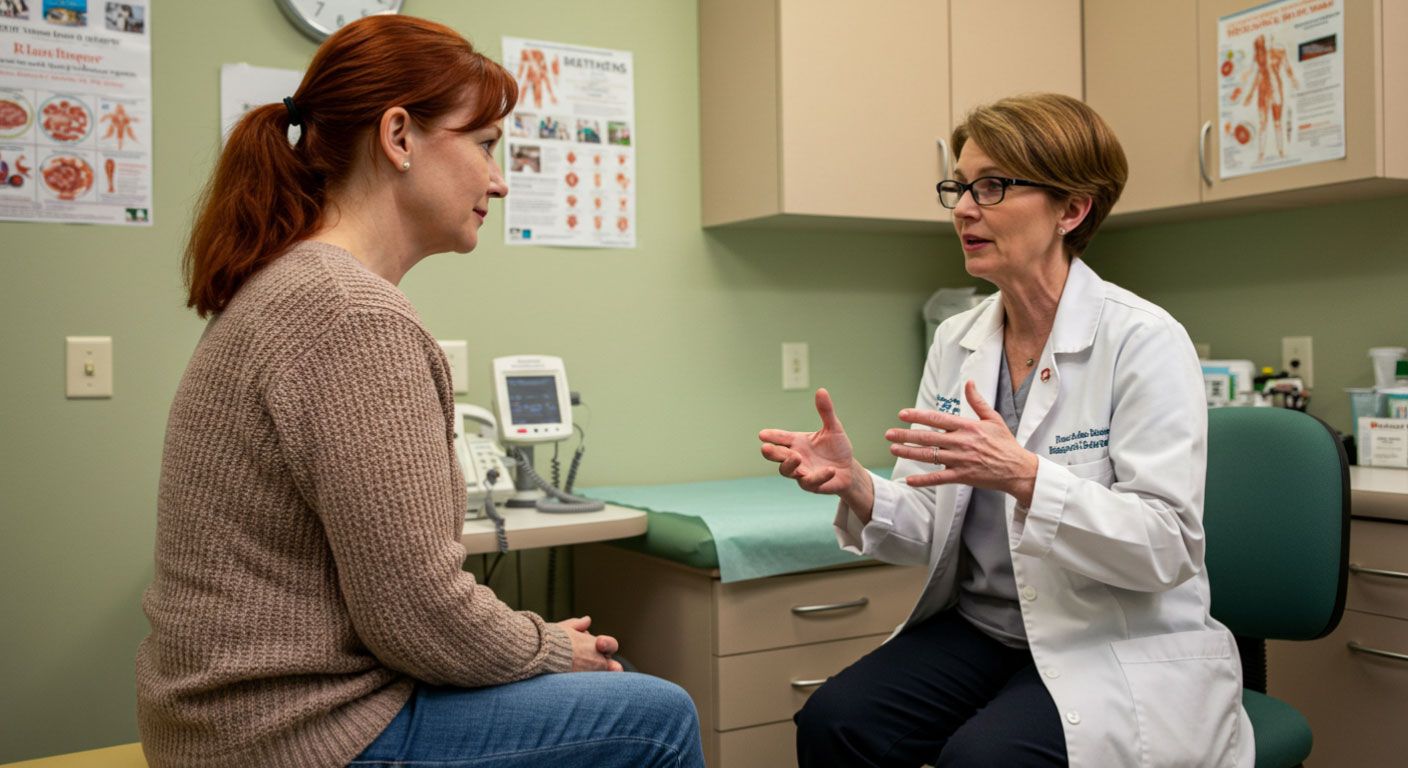
A recent investigation has brought to light a story of corporate negligence that is both shocking and deeply concerning for thousands of breast cancer survivors. A medical device, intended to help, has allegedly caused immense suffering, with complaints being hidden from the public and regulatory bodies for years.
In a powerful piece for Bloomberg, author Anna Edney revealed the distressing story of the BioZorb implant:
"The plastic implant is just a few centimeters long. It’s hard to fathom that it could create such torment, but hundreds of women say the device, called BioZorb, caused them excruciating pain, infections that wouldn’t heal and resulted in deformed breasts despite claims otherwise.
The US Food and Drug Administration approved BioZorb in 2012 as a radiographic marker for use after breast cancer surgery. Its plastic part was supposed to dissolve and leave behind tiny pieces of titanium that would show up on imaging machines to mark where a tumor had been removed. The two companies that sold BioZorb pushed it as something more — a device that would provide scaffolding for women’s breast tissue to grow back in a more aesthetically pleasing way before the plastic dissolved.
Except in many cases the plastic didn’t dissolve. And the companies kept breast cancer survivors’ complaints from the FDA and the public, some for as long as a decade. I was able to figure this out with my colleague Tanaz Meghjani, a data expert. She helped me analyze an FDA database of complaints about medical devices, which Hologic Inc., BioZorb’s most recent and last maker, only recently began updating after lawsuits were filed."
Legal Insights from Jason Joy & Associates
The story uncovered by Bloomberg is not just an isolated incident; it points to a potential systemic failure that has affected hundreds, if not thousands, of patients who put their faith in a medical product during one of the most vulnerable times of their lives. From our perspective as a firm specializing in mass torts and dangerous product litigation, this story carries significant weight for several reasons.
First, the credibility is bolstered by the sheer volume of similar complaints from women across the country. In mass tort litigation, a pattern of similar injuries linked to a single product is a powerful indicator that a defect or failure to warn is not an anomaly, but a widespread problem. The reports of pain, infection, device migration, and the failure of the plastic component to dissolve suggest a fundamental issue with the BioZorb device.
Second, the allegation that the manufacturers were aware of these complaints and failed to report them to the FDA is a serious breach of trust and legal duty. Medical device companies have a responsibility to monitor the performance of their products and report adverse events. Hiding this information not only prevents the public and the medical community from making informed decisions but also allows a potentially dangerous product to remain on the market, harming more patients. This is a classic example of corporate negligence where profits may have been prioritized over patient safety.
This story deserves wider attention precisely because of the number of patients affected and the vulnerable position they were in. Breast cancer survivors undergo physically and emotionally taxing treatments. To then face complications, pain, and the need for additional surgeries from a device that was supposed to aid in their recovery is a profound injustice.
How We Can Help: Compassionate Advocacy on Your Side
At Jason J. Joy & Associates, we are actively supporting victims of BioZorb complications. We understand that coming forward can be an incredibly difficult step. Many survivors of traumatic medical experiences feel overwhelmed, and the thought of a legal battle can seem daunting. Our approach is founded on compassion and understanding. We are here to listen to your story, validate your experience, and provide clear, straightforward legal guidance. Our team, based in Houston and licensed to practice in both Texas and Louisiana, is committed to creating a safe and supportive environment for our clients.
We have a proven track record of standing up to large corporations and holding them accountable for the harm they cause. We know the tactics these companies use to minimize their responsibility, and we have the experience and resources to counter them effectively.
You Don't Pay Unless We Win
One of the greatest barriers that prevents victims from seeking justice is the fear of cost. We want to eliminate that worry completely. Jason Joy & Associates operates on a contingency fee basis. This means you will not be charged any upfront fees for our services. We invest our own resources into building and fighting your case. We only get paid if you get paid through a settlement or a verdict in your favor. If we don't win your case, you owe us nothing. This approach allows you to access top-tier legal representation without any financial risk, enabling you to focus on what truly matters: your health and well-being.
Your Story Deserves to Be Heard
If you or a loved one has suffered from complications after the implantation of a BioZorb device—such as chronic pain, infection, device migration, or the need for additional surgeries—please do not suffer in silence. The time to act is now.
The team at Jason J. Joy & Associates is ready to hear your story and provide the legal guidance you need to move forward. Contact our Houston, Texas office today for a free, no-obligation consultation. Let us stand with you and fight for the justice you deserve.
Contact Us
By submitting this form you agree to receive text messages.